
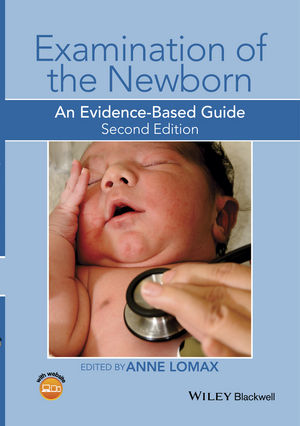
Ebook Info
- Published: 2015
- Number of pages:
- Format: PDF
- File Size: 3.55 MB
- Authors: Anne Lomax
Description
A practical, evidence-based guide for students and practitioners to undertake safe and effective neonatal examination
Reviews
Free Download
A practical, evidence-based guide for students and practitioners to undertake safe and effective neonatal examination
Thoroughly updated for its Fifth Edition,Kaplan and Sadock’s Pocket Handbook of Clinical Psychiatryremains a staple for medical students on psychiatric rotations, psychiatric residents, practitioners, and mental health professionals. In an easy-to-scan outline format, this popular quick-reference handbook summarizes the etiology, epidemiology, clinical characteristics, diagnosis, and treatment of all psychiatric disorders in adults and children. Psychopharmacologic principles and prescribing methods are briefly described.
i was required to buy this book for my behavioral science course in med school. its chapters pretty much follow the dsm with the addition of treatment for each disorder. i can see this being very useful on the psych rotation as well.

This first volume in the AOSpine Masters Series integrates the expertise of oncologists and radiology interventionalists with that of master spine surgeons, all of whom are actively involved in the care of patients with metastatic spine tumors. The book provides expert guidance to help clinicians make the right treatment decisions and provide the best care for their patients. Chapter topics range from evaluation and decision-making principles to a spectrum of non-operative and operative treatment options that have been rapidly evolving over the past decade.
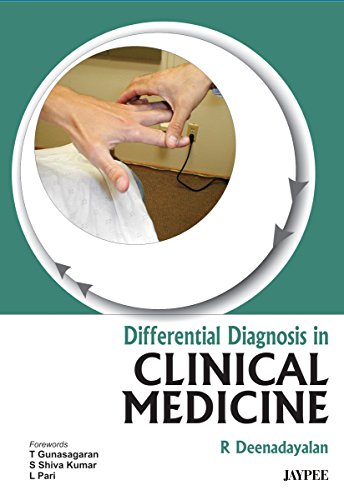
This is the 1st edition of the book Differential Diagnosis in Clinical Examination. Differential diagnosis in clinical examination is presented in a simplified way with the help of high quality diagrams, photographs and tables. The text is comprehensive, updated and to the point. Clinical usefulness of differential diagnosis is discussed in detail. The book has 5 chapters. The first chapter deals with general examination in clinical medicine. Chapter 2 to 5 provide comprehensive details of neurology, abdomen, cardiology and respiration. Differences between two clinical conditions are highlighted in 39 tables. A comprehensive index is given at last.

Acute Respiratory Distress Syndrome (ARDS) remains an important cause of morbidity and mortality worldwide, and the incidence is predicted to increase with the aging population Several clinical disorders can initiate ARDS, including pneumonia, sepsis, gastric aspiration and trauma but despite intense research over the past 40 years, we still have an incomplete understanding of the pathophysiology of the disease and treatment remains largely supportive. This book provides an overview of acute lung injury and repair, describes current animal models to study lung injury and reviews current methodologies to study and measure lung injury and repair. Special emphasis is given to state of the art techniques and methods and relevance to human disease. Acute Lung Injury and Repair: Scientific Fundamentals and Methods is a useful resource for physicians and scientists who are interested in experimental model systems for insight into ARDS pathogenesis and treatment strategies.
“Basic scientists and clinician investigators with an interest in ARDS are an appropriate audience for this work, which features contributions from clinicians and basic scientists in pulmonary and critical care from academic institutions … . This is an excellent introduction to work in an area of great interest to intensivists. Investigators needing to understand approaches to an important clinical problem and clinicians needing a better understanding of relevant experimental methods will enjoy and benefit from this book.” (David J. Dries, Doody’s Book Reviews, January, 2017)
Chronic venous disorders are a major health problem due to their wide prevalence and socio-economic considerations. This book is a comprehensive manual providing state- of- the- art information on the diagnosis and management of these common problems. Till recently venous disorders have been getting secondary attention as compared to their arterial counterpart. However, the last two decades witnessed major technological advancements and therapeutic strategies for these problems. Written with a surgical perspective, this monograph covers the latest developments and recommended procedures in an easy-to-read format guiding the surgeon to prepare a rational treatment plan. Supplemented with numerous figures and illustrations, the chapters update the readers with how to evaluate such patients in their practices, selection criteria for appropriate procedures and how to manage the complications. The book includes basics of venous disorders, primary varicose veins and recurrence after surgery, chronic venous insufficiency, venous ulcers and congenital venous malformations. Detailed coverage of endo-venous procedures such as radio-frequency ablation, laser ablation and foam sclerotherapy are additional essential features of this book. Primarily intended for the practicing general surgeon, this volume is also relevant for residents in general surgery and vascular surgery.
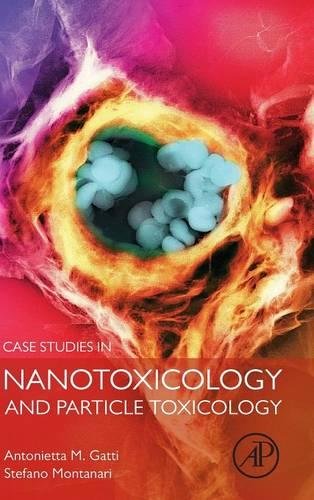
Case Studies in Nanotoxicology and Particle Toxicology presents a highly-illustrated analysis of the most prominent cases on the adverse effects of nanoparticles and their impact on humans and the environment.
The oral boards are a professional milestone that often feel like a millstone around the necks of intimidated candidates, as they survey the mountains of material they are expected to have mastered. “The Clinical Study Guide for the Oral Boards in Psychiatry” removes the burden of reviewing multiple texts and journals by compiling all the pertinent clinical information candidates must know to prepare for the exam into one concise, yet comprehensive guide. Everything that may be asked by the examiners is contained in this volume. Organized by class of disorder, the book takes the reader through the DSM-IV-TR diagnostic criteria, clinical issues, etiology, prognosis, differential diagnosis and treatment for each type. It also provides indispensable insight into the clinical interview which is the core of the examination, emphasizing the importance of empathy, establishing rapport, and building trust with the patient. Finally, the author acknowledges and compensates for the limitations candidates may face due to the clinical setting in which they practice by focusing on the types of patients most likely to present for the oral boards. “The Clinical Study Guide for the Oral Boards in Psychiatry” has reached the fourth edition for good reason: It is the most user-friendly, comprehensive, and effective tool on the market.
Although the oral boards are now dated, this text is still an excellent resource for psychiatrists and trainees. The format is easy to understand and helpful for quick reading points

This book is designed to assist clinicians who are new to intensive care by providing information on a range of important and novel topics of relevance in the day-to-day management of critically ill patients. Guidance is given on the appropriate response to various emergencies and circumstances, including stroke, acute liver failure, severe burns, extreme pain, and delirium. The role of simulation training in the intensive care unit is discussed, and detailed attention is devoted to the application of modern techniques for the assessment of vital organs in the critical care setting, such as echocardiography and lung ultrasound. An individual chapter focuses on regional anesthesia in intensive care, and in addition the book addresses subjects and issues that are frequently neglected. Examples include transfer of the critically ill patient, the role of forgotten electrolytes such as magnesium, the use of non-coumarin anticoagulants, and neuropsychological rehabilitation. The book will have broad appeal, including for general intensivists, anesthetists, acute medicine physicians, and medical students attached to acute specialties or preparing for exams in intensive care medicine.
The closest you can get to seeing the USMLE Step 2 CK without actually taking it
Too many arguable answers and question stems. The questions were quick to answer. In light of this, the explanations were simple and effective. However this applies to about 1/2 of the 500 questions. The book is definitely worth the purchase though because you can run through the questions in 2 days and you’ll cover a lot of topics. Then you can read more about what you got wrong with other books like case files or a family medicine textbook. So in other words I would just use pretest as a tool to highlight weaknesses and then do the actual studying elsewhere. Also after running through about 100 questions you can gauge which questions are good quality and which questions are poorly thought out.